
Foreword:
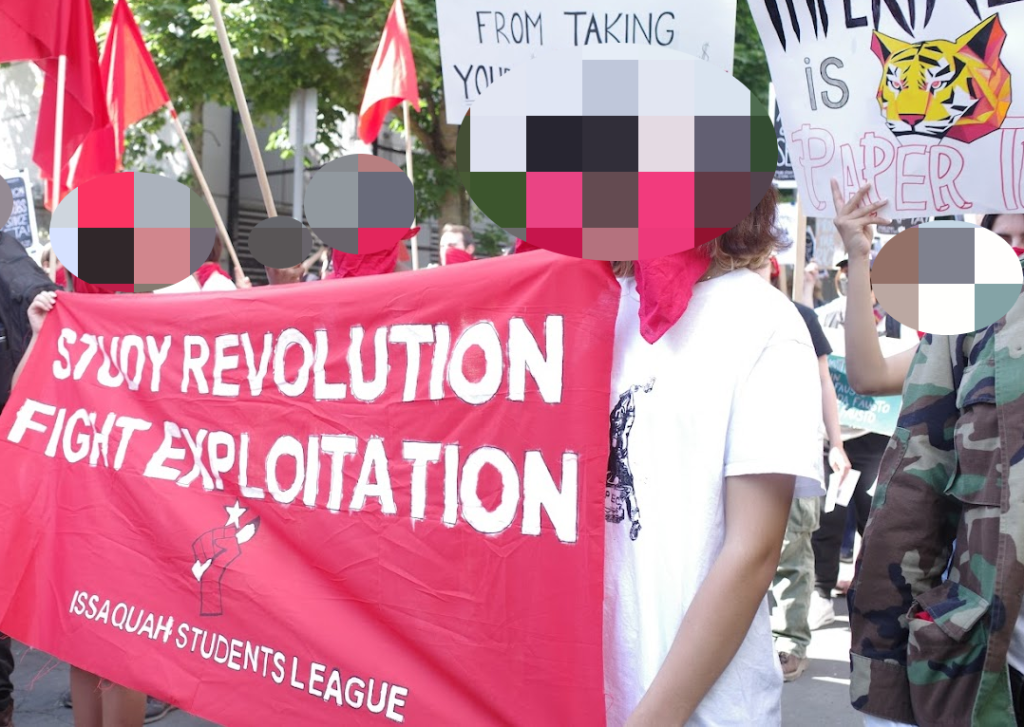
The following text is a republished piece from Say It Now News, the newspaper of the Revolutionary Student Union’s chapter at the University of North Carolina Charlotte, known as the Revolutionary Student Front of the University of North Carolina Charlotte. The version presented here has undergone a large amount of edits to broaden its focus nationally. We republish it today with our edits, as we believe this article serves as an excellent introductory piece that elucidates the urgent need for a revolutionary student organization, the role students play in the revolutionary movement, the primary issues confronting students, the role of the education system in this exploitative structure, and the place of individuals within the revolutionary movement. We express gratitude to the comrades at Say It Now News for allowing us to republish and modify this piece.
Introduction
Imperialism has encompassed the globe, a system in which the few rich countries dominate and oppress the majority of the world’s people. This system depends on the exploitation of the majority of people in every society across the globe. The people that control capitalist society in its final stage, imperialism, are the capitalist class—the bourgeoisie—who make their money off of the backs of the working class—the proletariat—while plundering and oppressing the third world. Under capitalism, the means of production (things that produce things i.e. factories and workplaces) are privately owned (owned by a small group of capitalists). Proletarians are those who have nothing to sell but their ability to work for others and face the threat of starvation and deprivation if they do not, and they make up the majority of the world’s people today. This sale is carried out through finding jobs. After working the worker gets paid only a fraction of what they have generated for the capitalist (the bourgeoisie). They only get a fraction large enough to make sure a certain number of workers can sustain themselves and purchase other things, which further enriches the capitalists. It is the proletariat who build all the machines and factories which the capitalist class controls in the form of private property. It is the labor of the proletariat which creates all profits for the rulers of this society.
Why does this happen? Capitalism is driven solely by profit for the ruling capitalist class, who are incapable of caring about how many people have to die in pursuit of their profits.
This system thrives on the labor of the majority harnessed by the iron rule of the wealthy minority. Power remains concentrated in this minority, a dictatorship of the few over the many. The capitalist class, who wield control over this system, continue to amass wealth at the expense of the working class, maintaining a cycle of increasing inequality. All of the problems facing current society are rooted in the economic exploitation perpetuated under this capitalist system. But how is this possible? Capitalism is the economic basis of society, and all aspects of society are shaped by this base. That is to say, capitalism molds the institutions within it, such as the government, legal system, education system, mass media, etc. to diligently and unequivocally uphold its ideals. Our education system enforces environments hostile to learning, molding us into its perfect workforce, resilient to its horrific conditions and obedient in the face of the paychecks it dangles over our heads. Mass media routinely lies and covers up the glaring holes in our grand “truth” of liberty and justice for all. Pushed from jobs that give us just enough to survive (though even that isn’t always a guarantee) to meaningless entertainment crafted chiefly to squeeze profit out of us, and placated by empty gestures of concession by our government, it’s no wonder there’s so much social unrest. And in a country eager to profess its loyalty to the shining ideal of democracy, its government remains a tool of the ruling class, the bourgeoisie. Here in the US, we’re taught to think of our government as extensions of us, representatives of the will of the people – we elect them, after all. But in a capitalist system, power remains concentrated in the dictatorship of the minority, leading all concessions to the working class as nothing but superficial.
But the U.S. isn’t just a capitalist power. It, along with every other “world power,” (Canada, Britain, France, Germany, Japan, etc) embodies capitalism’s highest and most decaying stage, imperialism. How can we tell? Imperial powers employ five main methods of concentrating political and economic power even further: Establishing monopolies that dominate economics, building a financial oligarchy (rule of a small amount of monopolies) through the use of finance capital (corporations and banks working together to further enrich themselves), exporting that capital (money) to underdeveloped countries (i.e. putting factories in underdeveloped countries), founding international capitalist associations (World Trade Organization, International Monetary Fund, etc), and dividing the territories of the world through war and influencing other nations. It takes only a glance at the history of U.S. intervention in countries like Iraq and Afghanistan, the countless military coups it has overseen, and its presence in Latin America and the Middle East to name but a few glaring examples to confirm our country’s imperial character. But with this global dominance comes an even faster rate of decomposition as the profits continue to far necessitate more and more exploitation. Thus, even as conditions deteriorate internally, the US attempts to tighten its hold over its colonies (Puerto Rico, Guam, Hawaii, etc) and semi-colonies (Countries that on paper have independence, but are controlled politically and economically by imperialists, i.e. African countries). Consequently, though imperial powers often spar with each other, it is the necessary conflict between imperial and oppressed countries that is the most crucial, as it leads towards the emancipation and self-determination of the countries subject to the whims of the international ruling class. The U.S. is the world’s most powerful imperialist country and is the main perpetrator of imperialist crimes around the globe. The working class of the imperialist countries have the duty to oppose this with internationalism, as part of their fight at home. But of course, here within its borders, we’re lucky if we learn about imperialism at all, let alone its role as the most-evolved (highest) form of the system we live under.
The Harsh Reality of Capitalism
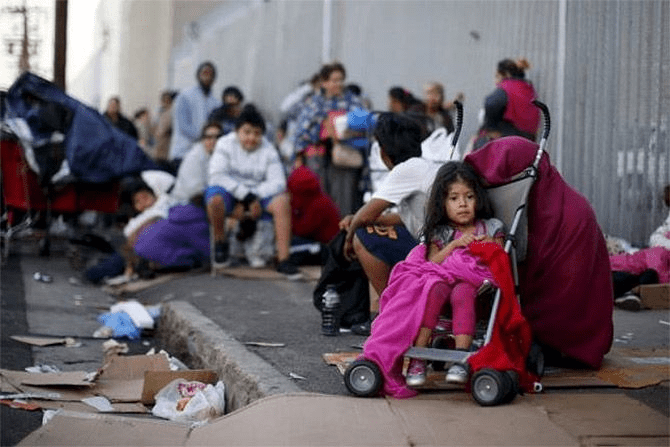
Around the world, we see unjust wars causing harm to innocent people as well as millions of deaths that can be directly attributed to capitalism: over 20 million people globally are recorded as dying yearly due to starvation, preventable diseases, poverty, and lack of healthcare. Meanwhile, in the US, capitalism kills nearly one million Americans every year. People are dying in droves from preventable causes when we have enough wealth in the world to annihilate world hunger, poverty, and to protect our environment. But the capitalist class will never give up their wealth to solve these issues, as they only care for profits.
Additionally, with the Earth heating up to record temperatures causing mass extinctions, natural disasters, and other widespread and ecologically devastating events, the lives and well-being of future generations are at stake. It is unsurprising considering all of the following issues plaguing the youth, over 54% of them view capitalism in a negative light.
Today’s Top Problems
We live in a nation where the lowest paying jobs do not provide enough money to rent out a house. In fact, there is not a single place in the United States where a full time worker who is paid minimum wage can afford a single bedroom residence. This has resulted in many working Americans, as many as ten percent, working in more than one full time job to make ends meet.
Even for workers with jobs that pay subsistence level wages and salaries, the cost of living is unbearable. Sixty percent of Americans live paycheck to paycheck. Forty percent can’t produce $400 in case of an emergency, despite the average ER bill ranging from six hundred to over three thousand dollars.
If our economic system is in disrepair, our “justice” system is completely shattered. Two hundred and fifty thousand Americans are injured by police officers a year, with six hundred killed. In the wake of protests against police brutality, the amount of homicides committed by police has increased, with over twelve hundred in 2022 alone. Despite the violence exercised by police forces nationwide, there is no correlation between police spending and crime rates. In fact, many policies conducted by the government actively encourage crime, such as harsh school administrations maintaining high incarceration rates. As a result, the US has over one million incarcerated people, more than any other country in the world. The police serve as the armed enforcement of the capitalist system; they exist only to protect the ruling class. In the US, for instance, the modern police force rose out of patrols dedicated to kidnapping enslaved people and returning them back to bondage.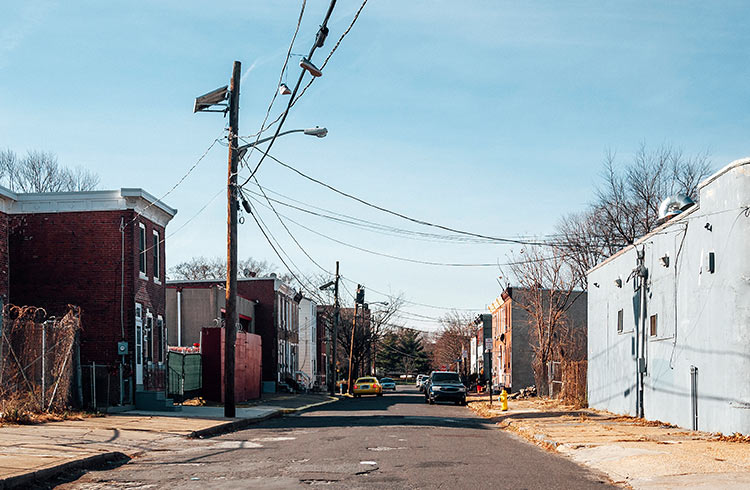
It’s impossible to talk about the fundamental flaws in American society without addressing institutional bigotry. The redlining that occurred in the Jim Crow era of overt segregation has ensured that continued segregation targeted towards Black people in the US still exists. Black neighborhoods have been systematically neglected. Black people were forced to work their way out of slavery from less than nothing, with no reparations despite the crucial role slavery played in the growing of the United States into an economic superpower, and continued discrimination both legally enforced by Jim Crow laws and still subtly enforced by both the refusal to enable subsequent generations to achieve economic prosperity and over policing policies which break Black communities and make sure they stay broken. This isn’t even to mention the systematic dehumanization of indigenous Americans, immigrants, women, disabled persons, and LGBTQ+ people. How is this brought about? Through class stratification: in a phrase, divide and conquer. By pitting the different class strata against each other – and pushing the narrative of upward mobility, in which anyone can ascend to a higher class through hard work – the anger and resentment of the oppressed is redirected back onto sections of themselves. Paired with the calculated “diversification” of the ruling class, in which a select few with underrepresented backgrounds are elevated within the oppressors’ ranks, the class stratification engineered by the ruling class is an imperialist tool meant to extract yet more profit out of the increasingly divided masses.
Politicians: Are They Really Our Representatives?
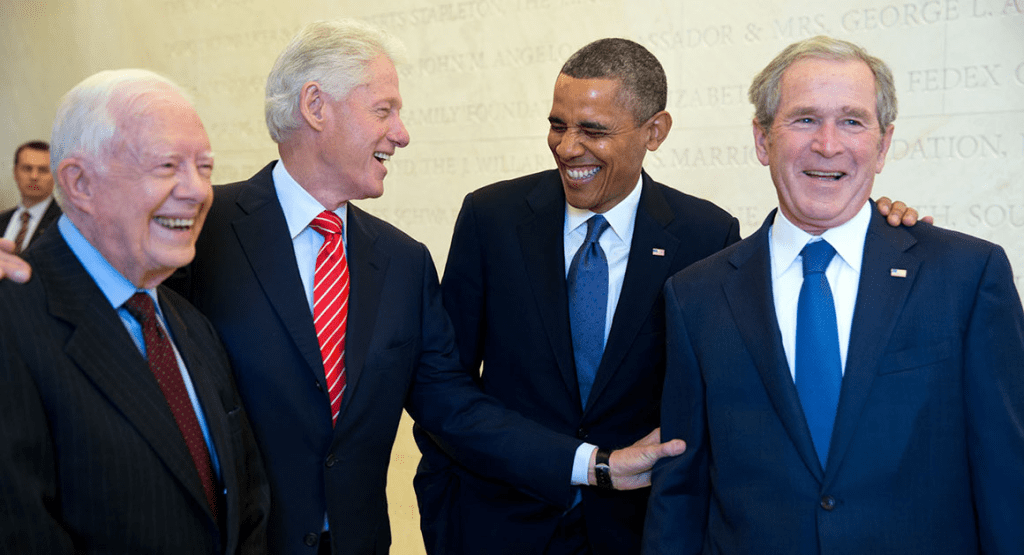
As previously touched upon, our government is unequivocally a limb of the ruling class – both Democrats, Republicans, and their lawmakers serve the ruling class. And while third parties often portray themselves as the sole solution to this rampant conflict of interest, their platforms are neither popular enough to beat out the competition nor truly radical, since the promises they make can never fully be implemented under capitalism. Our education system constantly flaunts the supposed fact that America is a ‘democracy’, but in actuality we are living under the class dictatorship of the bourgeoisie. And so, even the supposedly “radical” politicians will always ultimately side with capitalism and capitulate in the face of a threat to the bourgeois class. For example, the ‘Squad’, a group of seemingly radical and ‘pro-worker’ politicians in the Democratic Party have completely sided with capitalist-imperialism at every corner, voting to end railworkers’ strikes, and to support imperialist military funding. Even if they had voted against these policies, individual politicians do not have agency in how this rotten exploitative society conducts itself – change comes from the outside. The concessions made by our politicians and the ruling class at large are conditional – they support enough reforms to prevent outright rebellion and give the illusion of creating long-lasting change, but they only do this so as to maintain their power by seemingly listening to the people’s demands. All reforms granted by them are simply conquests made by the proletariat in the class struggle against the bourgeoisie. After all, the same people in power that claim to support minorities contribute to their continuous systematic oppression. The same people in power that proclaim their commitment to innovation in the name of collective “progress” continue to grind their workers into the ground with unsustainably low wages and an increasingly hostile job market. And the same ruling class that claims to work for the advancement of all gain more from incarcerating vast sections of the population and submitting them to literal slave labor than enabling any semblance of autonomy. Progress has only been made through the struggle of the proletariat with its allies, and it will be through the proletariat that this two-faced dictatorship will finally be broken.
The fact is, we exist under a government entirely in service of the capitalist class that oppresses us; that seek to undermine our material well-being, lock us in cages, and destroy our Earth. Change cannot happen within the current political structure; it must come from outside it.
Why is society ran this way? Why does this horrific treatment of the majority of society occur? Capitalism is solely driven by profit for the ruling capitalist class, who are indifferent to how many innocent people may die in pursuit of their profits. As long as they make a profit at the end of the day, they couldn’t care less about those who are suffering due to their actions. All around us, there is evidence of the horrors of capitalism. Even as we witness daily atrocities, the clock is ticking on how long we can afford to pay attention, how long we have the privilege of perspective. It’s our duty as students to study the world around us and understand how it is shaped by the past. However, our responsibility extends beyond simple observations; we must actively work towards a concrete solution—a new organization of society.
What is the Alternative?
Capitalism has proven to be an exploitative parasitic system that only serves the small rich elite that controls society. The reality right now may seem grim, but this can only be the farthest from the truth. Capitalism is decaying all around us: Even supposed symbols of its strength show its over-extension – the expanding militarization of the police as well as the bloated US’s prison system demonstrate how instruments of oppression are rising in proportion to growing unrest, a desperate attempt to retain their boundless growth that is simply unsustainable. Capitalism is creating more of its own gravediggers – the proletariat – while trying to pursue infinite growth. What will replace capitalism? Socialism. Defined as the dictatorship of the working class over the capitalist class, socialism abolishes the imperialism locking most of the world in an impoverished state while overthrowing the reign of the bourgeoisie across the globe.
But make no mistake: as it stands now, those in power have absolutely zero incentive to finally rid the world of the capitalist parasite. And even as they cling to a system destined to collapse, the bourgeoisie tighten their hold on the lives of those whose obedience they rely on. Now that we have an analysis of the current conditions as well as our ultimate goal, we can utilize our position as students in ushering in this new society.
Why Do Students Play A Significant Role In the Revolutionary Movement?
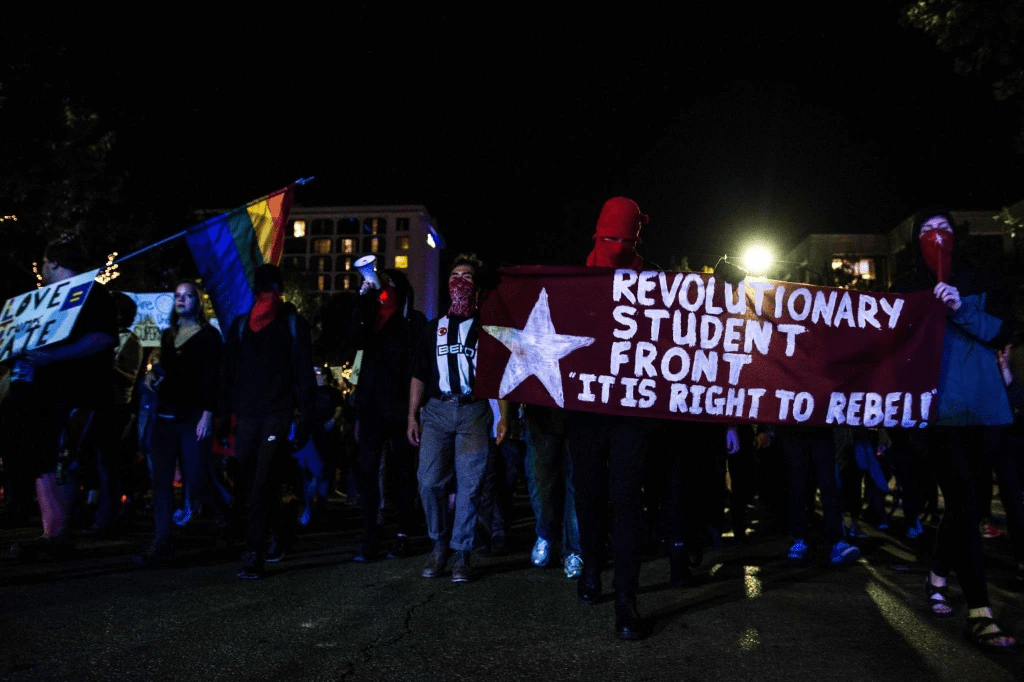
Educational institutions, from secondary schools (middle and high school) to colleges, are breeding grounds for both revolutionary and reactionary ideas. In our society, the latter is the more typically encountered as these institutions are controlled by and serve the interests of the ruling class and their economic system of capitalism. However, many people who come from oppressed backgrounds or who are sympathetic to the struggles around them also convene at these institutions, demonstrating how schools are key in gathering both oppositional and sympathetic forces. Though their students lack the autonomy college students are afforded, middle and high schools have a higher concentration of students from oppressed and proletarian (working-class) backgrounds. Special attention must be paid to these institutions, as they are often neglected in favor of organizing students in higher education. This combination of both working-class and privileged students has proved potent to past revolutions from Russia to China. During times in which the contradictions inherent in capitalist society become particularly sharp, many of these students come together in spontaneous mobilizations and are often some of the first sections of the population to do so. Why is this?
In our society many of the most exploited and oppressed people are forced into conditions which are prohibitive to their full intellectual development. This must be overcome and it must inform our struggle as students, it can be accepted as a general rule that due to the conditions under capitalism students are afforded the ability access to study the history and inner workings of capitalism and thus must enter into the strict service of the working class and proletarian revolution. Revolutionary students can 1) bring their knowledge to the workers, increasing their understanding and analysis through the process of learning from workers and teaching workers (while also acknowledging we have more to learn from the workers than to teach). And 2) offering material and financial means to train the best worker revolutionaries as agitators and propagandists for the revolutionary movement. Essentially, students must serve the revolutionary movement in any possible way they can. This can look like students pursuing working class careers or using their specialized jobs to help serve the struggle for revolution.
With conditions like these, you would think that colleges would be breeding grounds for socialist indoctrination (as some from the far-right would lead you to believe), but it is quite the contrary: the ruling class, through capitalist donors, are the main opponents of academic freedom. The ruling class uses their overwhelming influence to infiltrate the academic realm and project their own class interests as truth. These donors play a significant role in shaping who our schools hire, what our professors teach, and what we research, in order to push their agendas.
As capitalist politicians continue to reduce funding to public universities, donors will gain more leverage over what we learn and how we think. As it stands today, educational institutions represent the educational wing of the ruling class, these institutions exclusively propagate ideas of the ruling class. Only through revolution can education truly be for the people, and until, then genuine education will have to take place outside of the system through independent working-class oriented organizations such as ours.
What About the Role of Individuals Within the System?
In light of the contradictions contained within the educational system, progressive-leaning students are often caught in the thrall of self-guided academia. And while today’s institutions rarely if ever give any information on famous revolutionaries, the solution does not lie solely with theory. Revolutionary theory is not derived principally from study or meetings; it is understood through class struggle. It is the responsibility of students to follow the teachings of Marx and those who built upon him – in order to act. It is our duty to organize the unorganized; to propagate the theory we analyze, and to work towards socialist revolution.
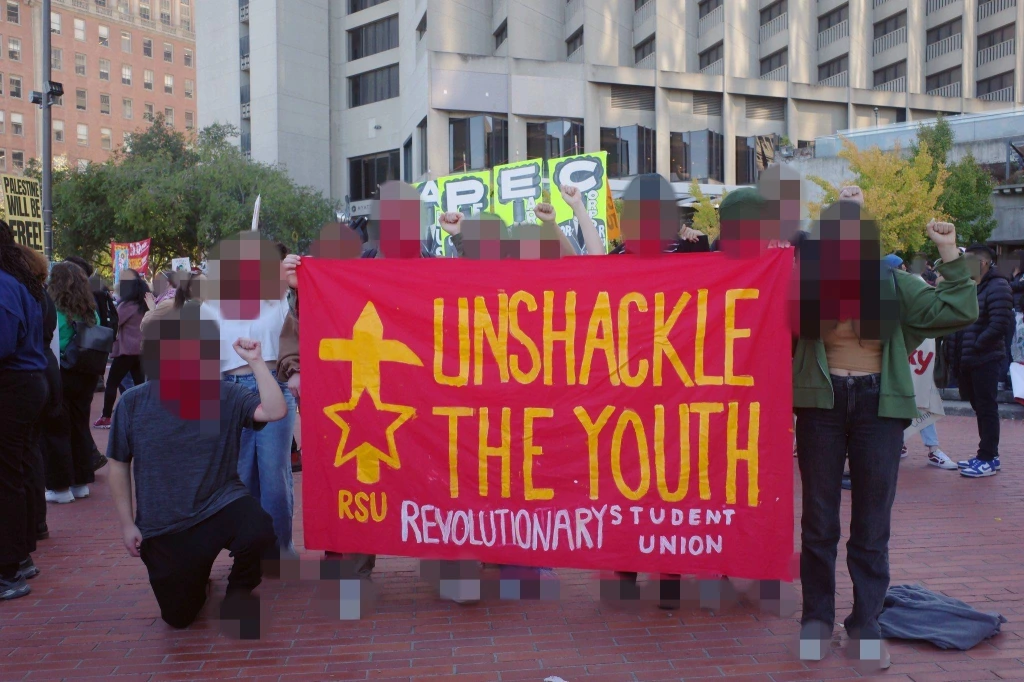
What Does All This Mean For the RSU?
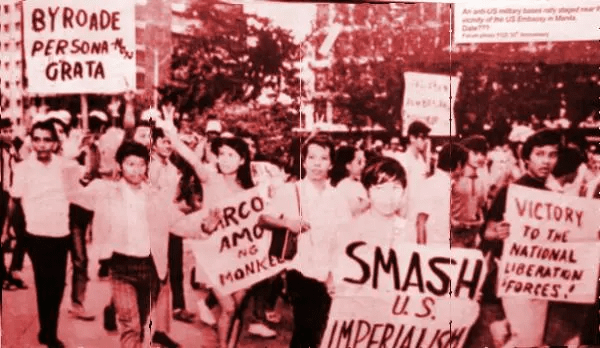
Knowing what we know about the nature of society, of our school in the maintenance of that society, and finally, knowing the historical role played by students in upsetting the capitalist system, how does the RSU fit in?
As we mentioned in our introduction, students have come to play their most pivotal role when they evolve from the stage of spontaneous outbursts to the stage of conscious (self-aware) activity, conscious of the nature of society and conscious of their place within it. This necessarily leads to the creation of organizations of students. The RSU is such an organization. We strive to develop our common understanding of the system of capitalism and its highest form, imperialism, and study the history of working class movements that sought and still seek to overthrow it, but to stop there would only be going halfway. We seek to understand the world so as to actually change it.
By this we mean that we are not a study group, though we do study. We seek to improve the conditions of students and workers on campuses by leading the struggles of students and workers. Without organization movements bow to spontaneous and short-term organizing, which will not be able to usher in long-lasting revolutionary change. We seek to bring the political theory of the working class to students on campus so that they may internalize and grasp that theory today and bring it back to the workers of tomorrow through both in-person meetings and studies but also through applying the ideology of the working class to every facet of our work. We must understand that knowledge does not just come from reading books all day, despite what our schools would have you believe. To truly grasp the ideology of the working class you must apply it in practice. And though struggles for reforms often represent legitimate concerns and act as channels of mobilizing and gaining experience, change can only be achieved through the conquest of political power by and for the proletariat. This is why we are a fighting organization – we don’t merely serve the students and workers of our specific campuses, but serve the overall revolutionary movement so that when we graduate from school we do not also graduate from revolutionary life.
LONG LIVE THE REVOLUTIONARY STUDENT UNION!
LONG LIVE THE REVOLUTIONARY YOUTH!


Leave a comment